


-

My 9-year-old now explains his faith to his friends. I never thought a workbook could do that.
-

Finally a resource that builds real faith — not just Bible stories.
-

My son is defending his faith at school. Sunday school never did that.


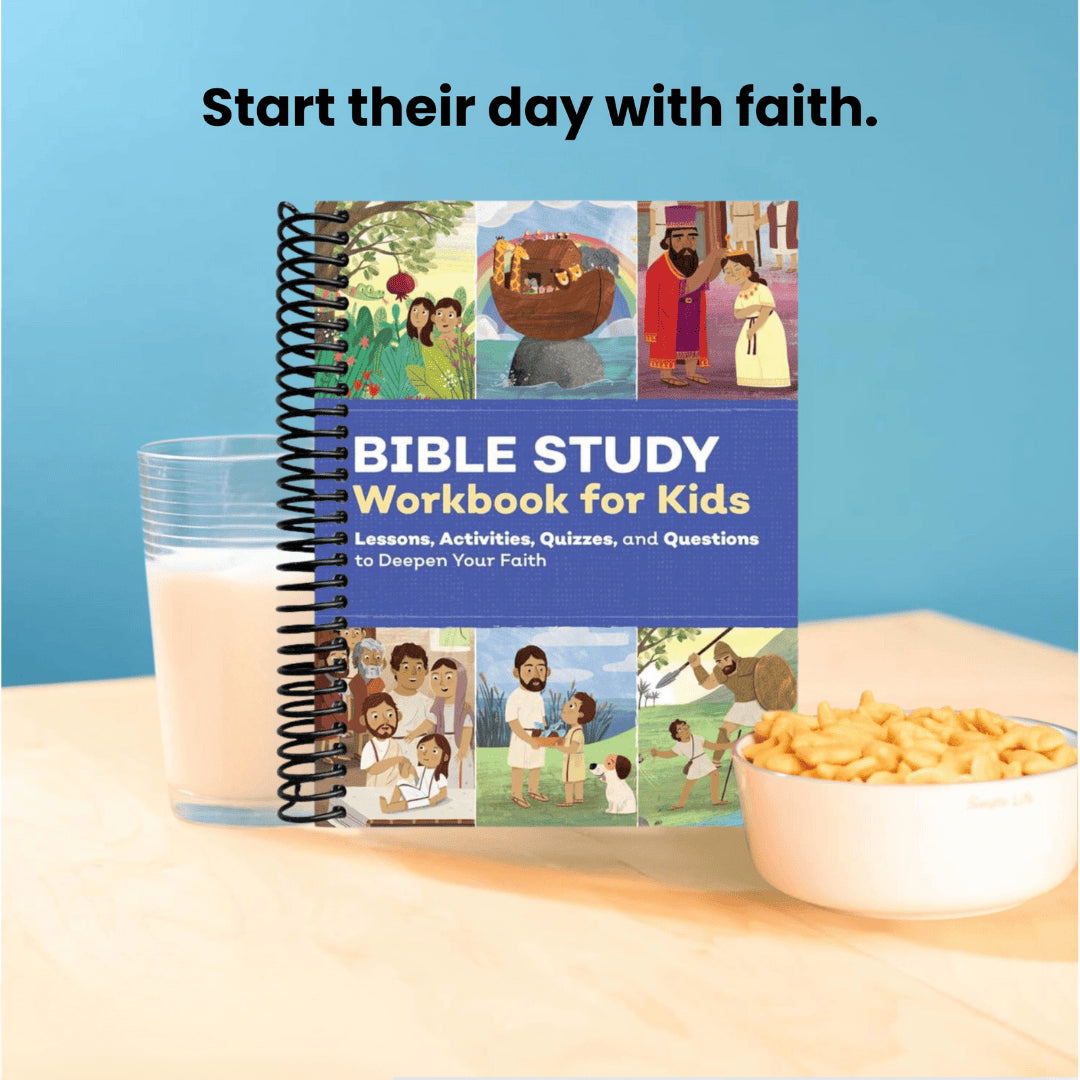
Defend the Faith: Theology Workbook for Kids
Defend the Faith: Theology Workbook for Kids
- ✓ A faith that grows every week
- ✓ Biblical confidence for life
- ✓ A growing love for God's Word
- ✓ Theology they discover themselves
VALENTINE´S DEAL
Couldn't load pickup availability
- Visa payment method
- Master payment method
- Paypal payment method
- Apple pay payment method
- American express payment method
- Google pay payment method
Love it or your money back
Love it or your money back
If your child doesn't engage with this workbook, we'll refund every penny.
No questions asked. No hoops to jump through. Just a full refund.
Free & insured shipping
Free & insured shipping
Every order ships free and fully insured. Your book arrives safely or we replace it at no cost to you.
Who is this for?
Who is this for?
Designed for children ages 6–14.
Perfect for homeschool families, Sunday school supplements, or any parent who wants their child to understand — not just know — what they believe.
Do I need to know theology?
Do I need to know theology?
Not at all. You don't need a seminary degree.
You don't even need to prepare. Open the book, sit with your child, and let it guide the conversation.
The book is the expert. You just show up.
What's inside the book?
What's inside the book?
52 weekly lessons built around questions, evidence, and discovery — not just Bible stories.
Each lesson takes 10–15 minutes and guides your child to think through their faith, not just memorize it.
No screens. No prep. Just truth that sticks.


Join 2,000+ happy customers
Your Child Will Know Why They Believe — Not Just What
Your Child Will Know Why They Believe — Not Just What
2 out of 3 kids who grew up in church walk away from their faith by 22 — not because they stopped believing, but because no one ever gave them reasons to hold on.
2 out of 3 kids raised in church walk away by 22. Not because they stopped believing — because no one gave them reasons to hold on.
Every lesson takes just 10 minutes: read the passage, face the question a skeptic would actually ask, examine the evidence, defend the answer out loud. Your child doesn't memorize truth — they discover it. And what they discover, they keep.
Every lesson: 10 minutes. Read, question, examine evidence, defend out loud.
Your child doesn't memorize truth — they discover it. And what they discover, they keep.
No theology degree needed. No prep. Just open the book.

The Conversation They'll Remember.
The Conversation They'll Remember.
Most parents feel it — the quiet fear of saying the wrong thing. Of a question they can't answer.
You don't need a theology degree. The book guides the conversation — the questions, the evidence, the words. You just bring the willingness to sit down together.
Because ten years from now, your child won't remember the argument. They'll remember that you showed up — and that's exactly why they stayed.
Who Your Child Becomes Starts Now.
Picture your child at 18 — walking into college not fragile, but ready. Already having wrestled with the hard questions. Already having made the faith their own.
That child doesn't happen by accident. It happens in the years between 6 and 14 — the window when a worldview forms for good.
Your child will face those moments. What you do in these years is what they'll carry into all of them.

What parents are seeing after the first month
96%
said their child could explain why they believe — not just that they believe.
93%
felt confident leading a faith conversation with their child for the first time.
91%
said their child became MORE curious about God after discovering the answers themselves.
Questions worth asking
Is this just more Bible stories?
Is this just more Bible stories?
No. Most resources teach what happened. This teaches why it's true.
Your child won't just hear about Noah or David — they'll examine real historical, scientific and logical evidence and arrive at their own conclusions.
That's what makes a conviction, not just a memory.
What makes this different from Sunday School?
What makes this different from Sunday School?
Sunday School teaches children what to believe. This teaches them why to believe it.
Research consistently shows that children who only receive moral stories — without the reasoning behind them — are the ones most likely to walk away from their faith by college.
This workbook fills the gap that Sunday School was never designed to fill.
Why does the 6–14 age range matter so much?
Why does the 6–14 age range matter so much?
Between ages 6 and 14, children undergo a critical cognitive shift — they move from accepting information because an adult says so, to demanding reasons.
This is the window when a worldview forms and solidifies. If they don't receive solid reasons for faith during these years, they'll find reasons against it in high school.
After 14, the foundation is largely set. This workbook is designed specifically for that window.
We already go to church every week. Is this still necessary?
We already go to church every week. Is this still necessary?
Church is vital — but it was never designed to do this alone.
Studies show that 2 out of 3 young people who attended church regularly still walked away from their faith by 22.
Not because church failed them, but because weekly attendance doesn't build the intellectual foundations needed to withstand real cultural pressure.
This workbook is what you do the other six days of the week.
My child isn't really interested in this kind of thing. Will it work?
My child isn't really interested in this kind of thing. Will it work?
Most children aren't interested in theology — but every child is interested in solving a mystery.
Each lesson is structured like a case to crack: here's the challenge, here's the evidence, what's your conclusion?
Parents consistently tell us their kids ask to do the next one. Curiosity doesn't need to be forced when the format respects their intelligence.